An essay for the expert who does the work behind the scenes
You're the smartest person in the room. They keep promoting the one who talks.
Your expertise was supposed to be enough. In an AI-flooded world it quietly stopped being, and the people getting the title, the stage, and the offers aren't smarter than you. They're just visible. Here's how to change that.
There's a promise that's been made to every capable person who ever kept their head down and did the work: be good enough, and it will be noticed. Master the craft. Become the one who actually knows. Do that, the story goes, and the title, the recognition, the opportunities follow on their own.
It's a comforting promise. For a lot of brilliant people it was always quietly false, and AI just made it far more false than it used to be.
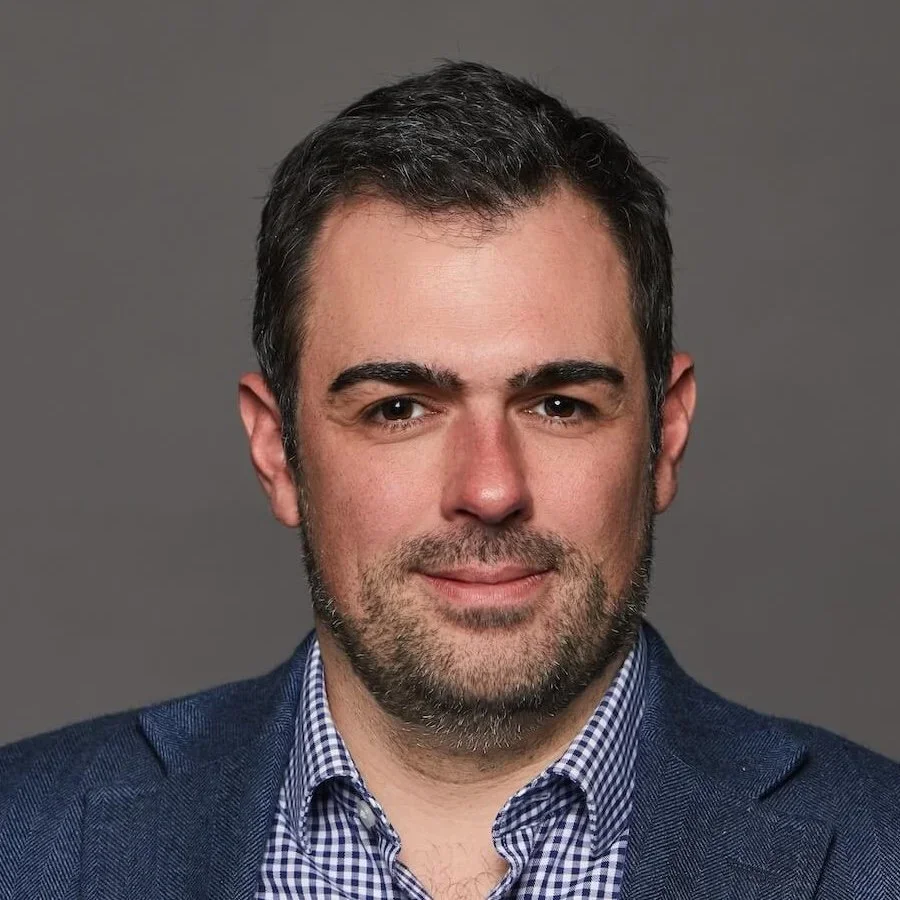
Because here's what nobody selling the promise wants to sit with: the moment a tool is available to everyone, the advantage it offers belongs to no one. When the entire market can generate the same article, the same strategy, the same competent-sounding answer in nine seconds flat, competence stops being a differentiator. It becomes the floor. The price of admission. Wallpaper.
The shift
For two hundred years, the path to mattering was simple: know more than the people around you. Accumulate expertise. Hoard hard-won information. Become the person with the answer, and the world would beat a path to your door.
That world is ending. Not slowly. Suddenly.
This isn't a doom prophecy. It's just arithmetic. The supply of "good enough" answers, "decent" copy, "solid" analysis, and "competent" content has gone vertical. And when supply explodes, value collapses. That's not a mood. It's supply and demand, pointed directly at knowledge work.
Don't take that on trust. Run the test yourself: open any AI assistant and ask for a two-page briefing on the hardest topic in your field, the one that took you years to master. Time it. Somewhere around the ninth second you'll feel the floor move. The briefing won't be as good as you. It doesn't have to be. It only has to be good enough to be everywhere, instantly, for free.
Be honest for a second. The peer who got the role you wanted, what did they actually have more of?
Then this page may genuinely not be for you yet. Depth comes first, always. But before you go, one question: was that the honest answer, or the comfortable one? If it was the comfortable one, keep reading.
Some part of you already knows the work was never the problem. Hold onto that. It's the whole point of this page.
What this does to you
You can be the most capable person in the room and still be invisible.
This is the part that stings, so I'll say it plainly. Being good at what you do no longer makes you stand out. It used to. It doesn't now. Your expertise, the thing you're proudest of, the thing you've quietly bet your career on, has been quietly demoted to table stakes.
And you can feel it, even if you haven't named it. It shows up as a specific, grinding kind of frustration:
You produce sharper work than half the people climbing past you. And still: the promotion goes to whoever presents best in the room. Your analysis ends up in someone else's deck, under someone else's name. The recruiters who should be calling don't, because outside your own building nobody knows you exist. You watch people with a fraction of your depth get the stage, the title, the trust, and you can't work out what they have that you don't.
What they have isn't more skill. It's something else entirely. We'll get to it.
The trap
The cure you were taught is the thing keeping you stuck.
So what does a capable person do when they feel themselves being overlooked? They reach for the lever they were trained to pull: do more, and do it better. Take the hard project. Go deeper. Out-work it. And lately, produce more, faster, with AI, in the hope the sheer volume finally gets them noticed.
It feels like the answer. It's the trap.
Think it through. The reward for being the indispensable expert who never makes noise is being kept exactly where you are: indispensable, and invisible. And the moment you do try to "be visible" by spraying AI-assisted posts that could have come from anyone? You just add your name to the same flood everyone else is making. More anonymous, not less.
The villain here isn't AI, and it isn't your employer. It's a belief you were handed early and never questioned: that if you do excellent work quietly, it will be noticed and rewarded. It won't. Work almost never speaks for itself, and never on your schedule. People speak for work, and if nobody knows who you are, nobody is speaking for yours.
A name for it
I've watched this pattern for years, in others, and, for a long time, in myself. I'm a physicist, not a marketer. For most of my career I did the work that mattered from behind the scenes. I understood my corner of quantum science as deeply as almost anyone alive. And almost no one knew my name.
I had all of the expertise and none of the voice. I told myself the work would speak for itself, that if it was good enough, the recognition would follow. It didn't. It can't. Nobody was speaking for my work, because nobody knew I existed. I was, by every definition on this page, invisible.
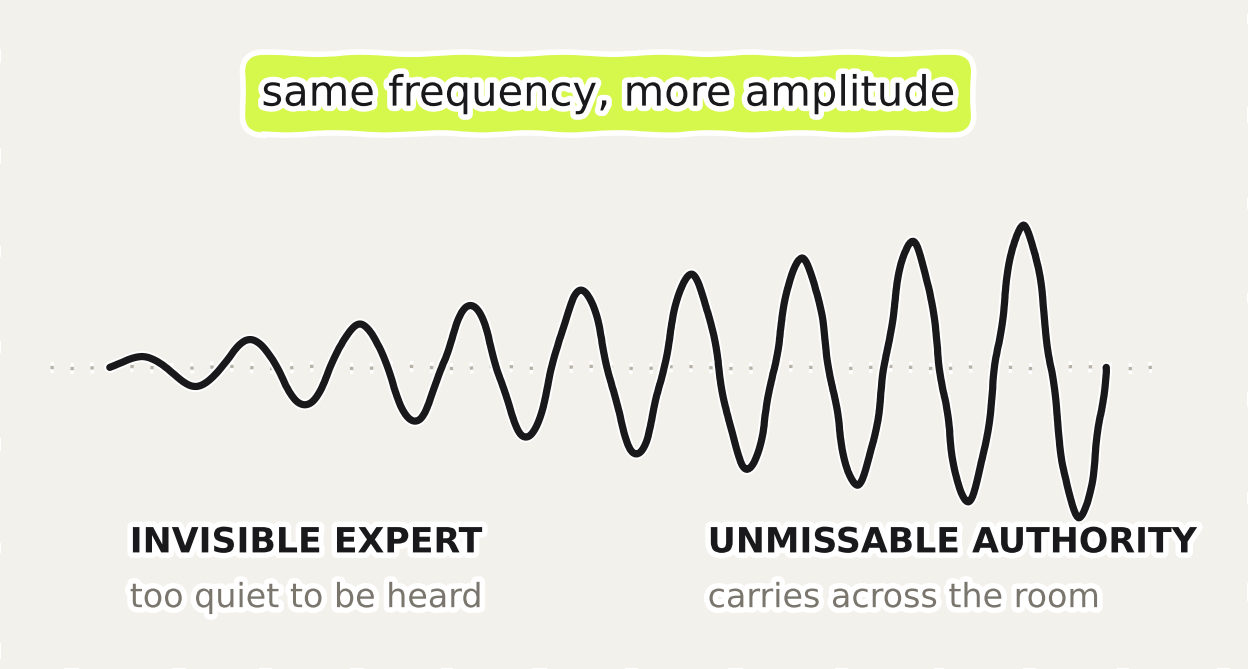
Eventually I gave the pattern a name, because naming a thing is how you finally see it. I call this person the Invisible Expert.
The Invisible Expert is not a failure. That's what makes the trap so cruel. They're genuinely good. Often the best. They've put in the years. They know their craft cold. By every traditional measure, they did everything they were supposed to do.
If you felt a flicker of recognition just now, that's not an accusation. It's the best news on this page. Because the reason you've been stuck was never that you weren't good enough. You were always good enough. You were simply playing a game whose rules changed underneath you, and competing on the one thing that no longer wins. That's not a character flaw. It's a strategy problem. And strategy problems can be solved.
The one thing left
There is exactly one asset AI cannot copy, flood, or commoditise.
Go down the list of everything the machine has swallowed. Information: gone. Analysis: gone. Competent execution: going fast. Generic content: long gone. Keep going, and you arrive at a very short list of things AI fundamentally cannot replicate, no matter how good it gets.
It can't be you. It can't hold your specific point of view, forged from your specific scars. It can't carry your voice: the actual texture of how you think and say things. It can't have lived your story. And above all, it cannot be trusted by a person who knows your name. Trust is earned between humans. It does not scale to infinity, which is precisely why it's the only thing left that's scarce.
You already know this in your bones, because it's how you behave when it matters. When the stakes are real, a diagnosis, a contract, your savings, you don't want a competent answer. You want a name you trust. The value of expertise didn't vanish. It moved: from knowing things, to being known for knowing them.
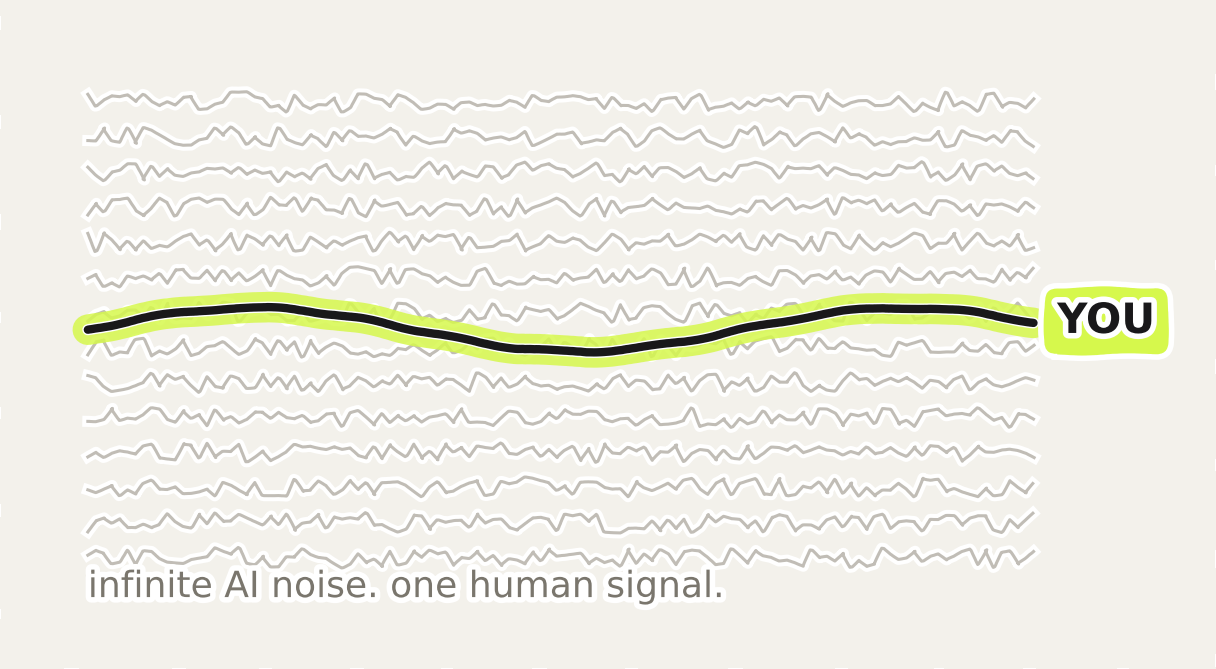
And here's the reversal that changes everything: once you've built that distinct point of view, recognisable voice, and relationship of trust with an audience that knows you by name, AI stops being your threat and becomes your multiplier. The same tool that erases the Invisible Expert will amplify someone the market already chose to listen to. The machine doesn't decide who matters. It just amplifies whoever already does.
The other side
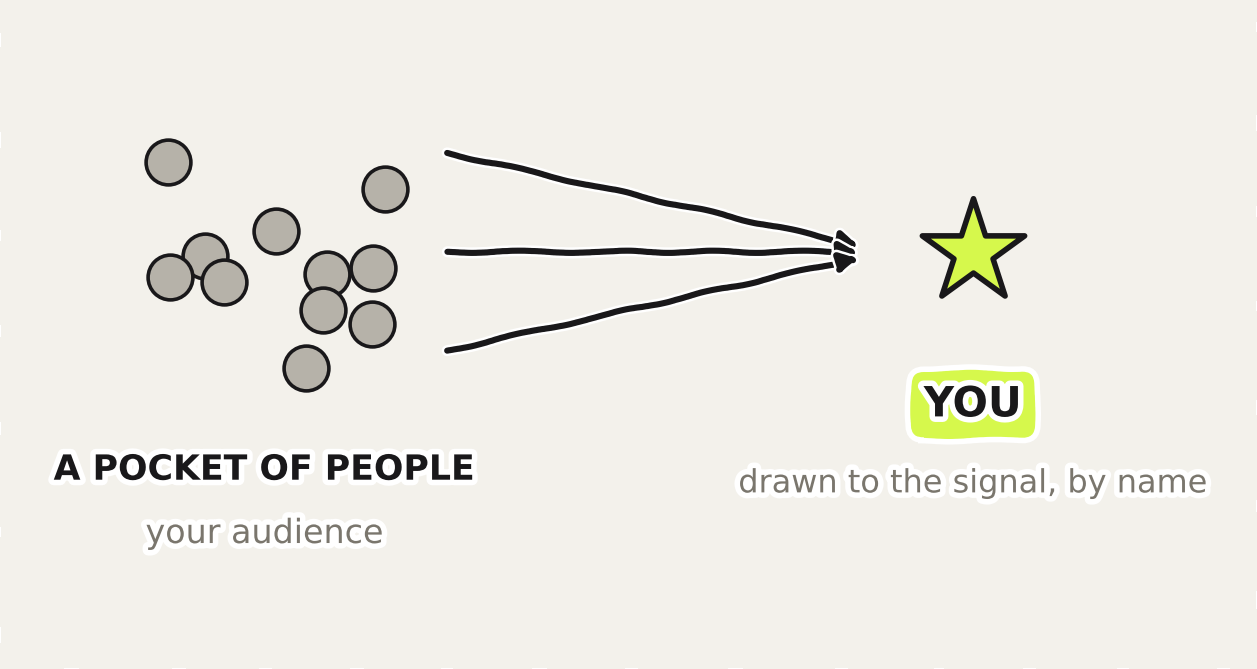
The person on the other side of this divide, the one who built the moat before they needed it, I call the Unmissable Authority. Same starting skill as the Invisible Expert. Wildly different outcome. Because they understood, early, that the game had changed, and they played the new one.
Two people. Same ability. One rule played differently.
The trap
The Invisible
Expert
- Competes on competence (now table stakes)
- Works harder, waits to be noticed
- Sees their work presented under another name
- Passed over for the one who talks
- Invisible outside their own building
- Threatened by AI
The way out
The Unmissable
Authority
- Owns a distinct point of view
- Builds presence, not just volume
- Has a voice no machine can imitate
- Gets sought out by name; sets the price
- Known for one specific thing
- Uses AI as a multiplier
Look at that contrast and one thing becomes obvious: the gap between the two columns has nothing to do with talent. It's a set of choices, made in a particular order. Which means it can be learned. Which means the only real question left is how.
Something useful, right now
Three things the machine can never take from you.
Whether or not you ever do anything else, take this with you. Everything that survives the AI flood falls into three buckets, and becoming known for one thing is simply the deliberate cultivation of all three. Audit yourself honestly against them. Tap an answer under each; the honest one, not the comfortable one.
A point of view sharp enough to disagree with.
AI averages. It returns the consensus, smoothed and safe. The fastest way to become un-averageable is to hold a specific, defensible opinion the consensus would argue with, and say it out loud, repeatedly, until people associate the idea with you.
Do you hold a public position someone could actually disagree with?
Rare. Guard it, and say it more often than feels polite.
Most experts don't. It's the first thing worth fixing, and the most fixable.
A way of saying things only you would say.
The machine can mimic tone. It cannot originate one. Your phrasing, your references, your rhythm, the particular way you cut through a thing: that's a fingerprint. Most experts sand theirs off trying to sound "professional." Stop. The texture is the asset.
Would a colleague recognise a paragraph of yours without your name on it?
Then stop sanding it down. The texture is the asset.
Then your writing currently sounds like everyone's. Which is to say: like the machine's.
A relationship with people who know your name.
This is the scarce one, and the hardest to fake. Trust is built in public, over time, by showing up as a consistent, recognisable human. It cannot be generated. It can only be earned, which is exactly why, in a world of infinite synthetic everything, it's about to become the most valuable thing you own.
Could a stranger say, in one sentence, what you're known for?
You're further along than most. The real test is whether a search agrees.
That's the gap this whole page is about. It closes on purpose, not by accident.
One more, and this one takes two seconds.
Open your own LinkedIn profile and look only at what's visible without scrolling: photo, headline, banner. Could a stranger tell, from that alone, what you want to be known for? Not your job title. Your subject. For most experts the honest answer is no, and everything below the fold is doing nothing, because nobody in a hurry gets below the fold.
Why most people still won't make it
"Be authentic" is not a plan. It's why so many stay invisible.
Here's the cruel twist at the end. Most people now half-believe everything you've just read. They nod along. "Yes, be more visible, of course." And then they go post sporadically, "be themselves," wait for it to work, and nothing happens. They conclude they're "just not the visible type" and slide back into the noise.
The Unmissable Authority didn't get there by being authentic and hoping. They followed a sequence, a deliberate way of choosing the one thing to be known for, sharpening a point of view into something repeatable, finding the voice the market actually responds to, and compounding trust on purpose instead of by accident. Done in the right order, it's almost mechanical. Done in the wrong order, or not at all, it looks exactly like luck, which is why most people give up and call it talent.
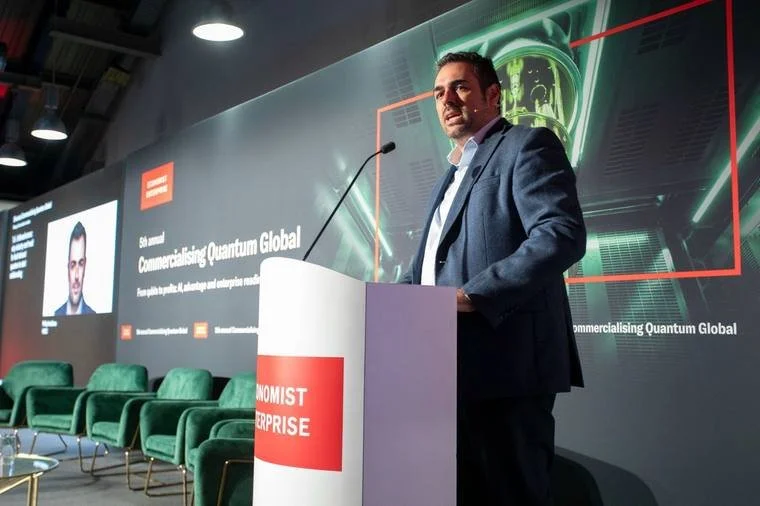
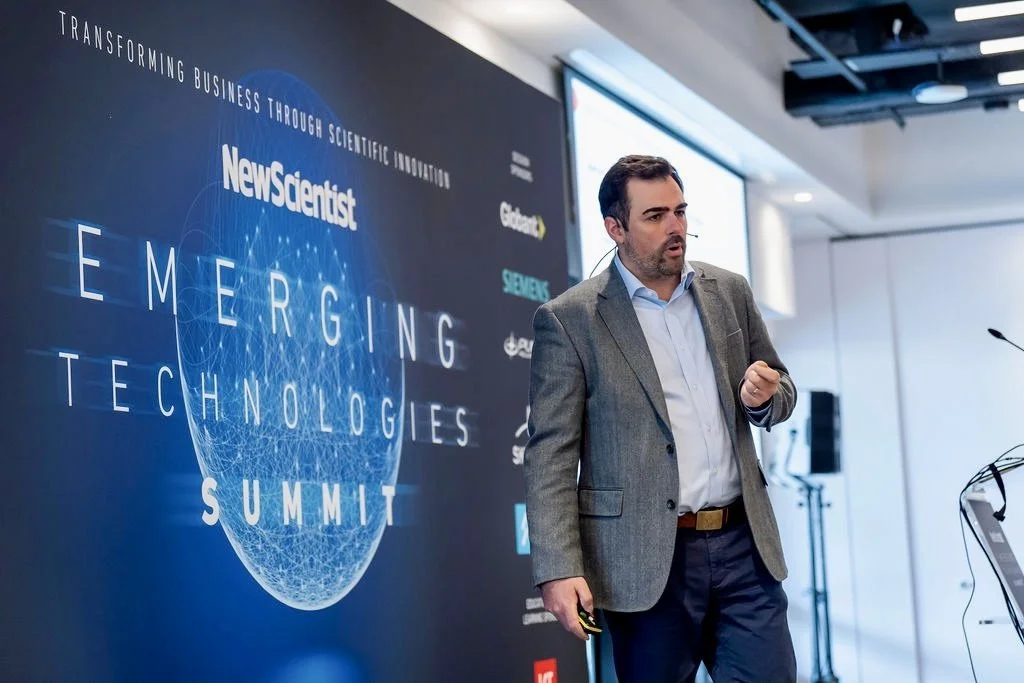
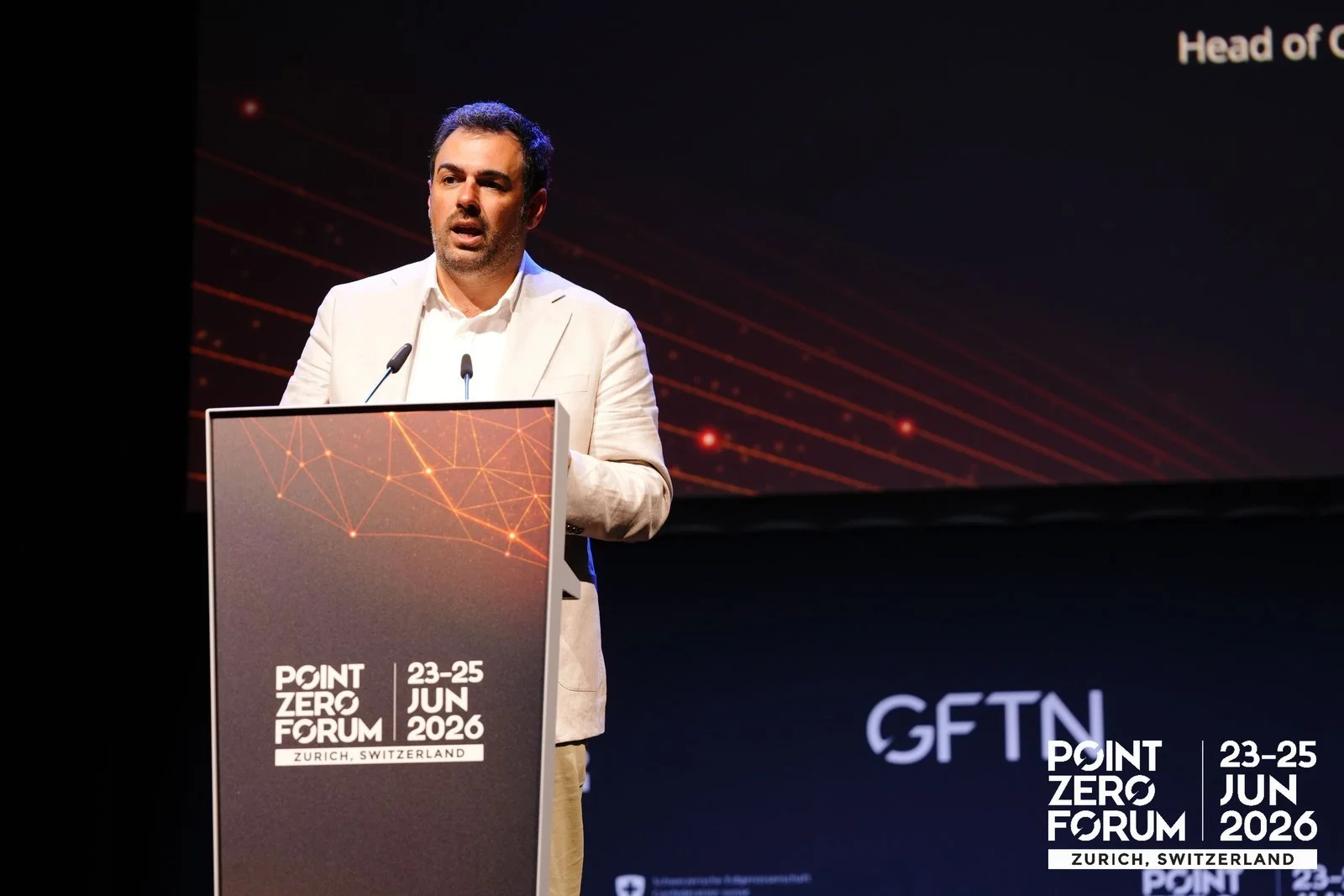
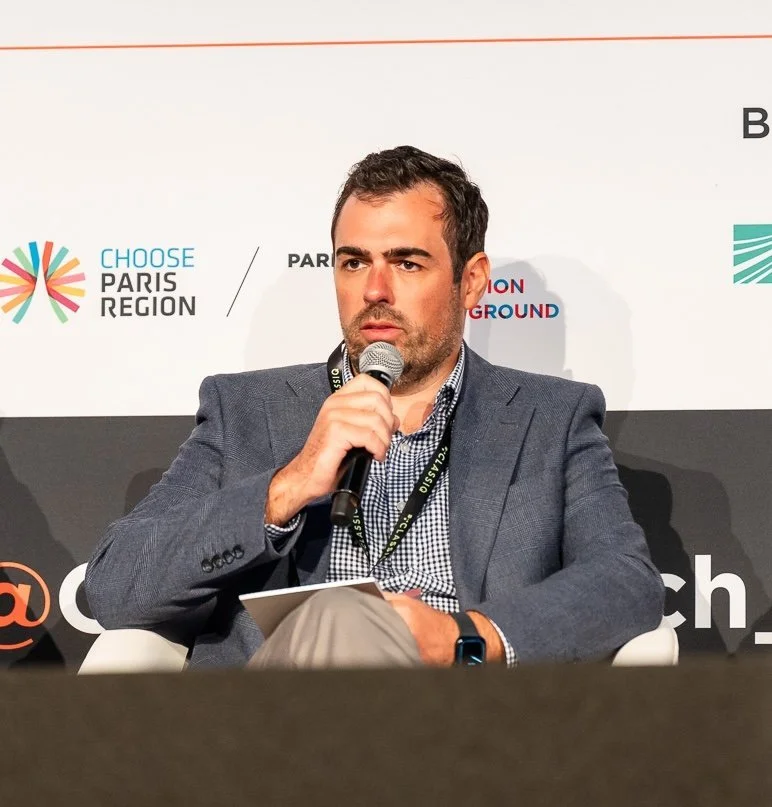
That system is what I've spent the last five years building and living. At some point I made one decision: stop working in silence. I leaned, deliberately and at first uncomfortably, into keynotes, panels, podcasts, and articles. All of it public. All of it findable. None of it requiring me to know a single ounce more about my field than I already did.
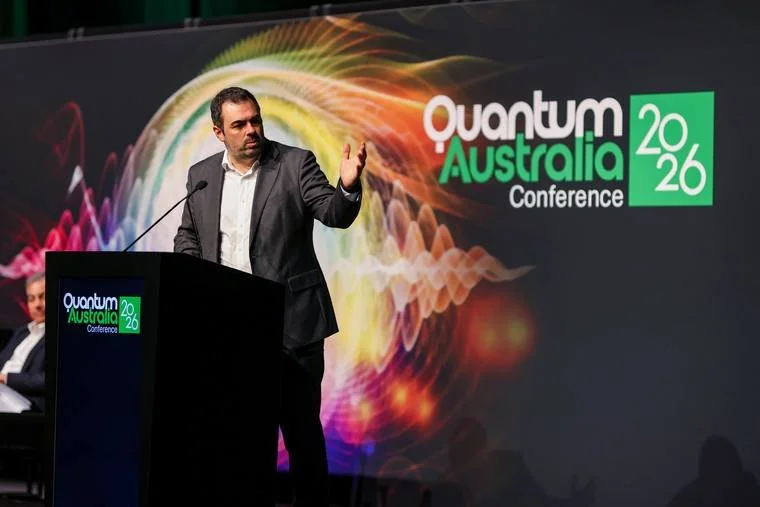
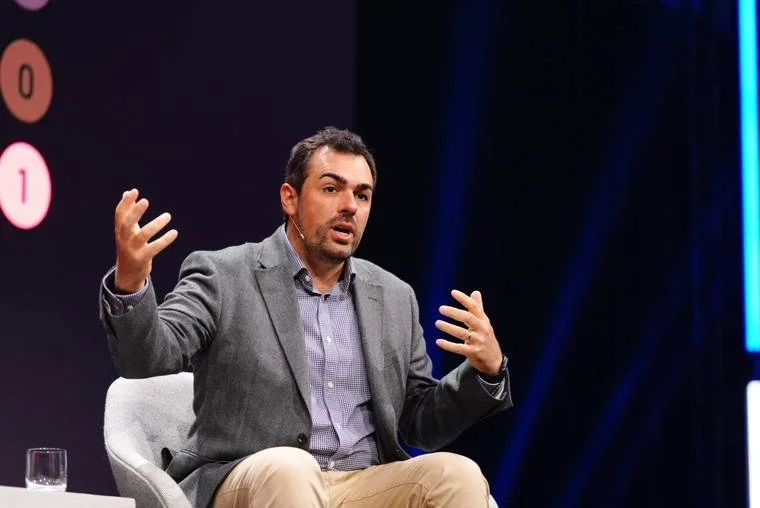
Within five years that one decision had carried me to stages from Boston to Tokyo, Sydney to Zurich. Quantum is a field most people actively avoid even trying to understand, and rooms full of decision-makers kept asking for the physicist who could make them understand it. It sat me down across from Hannah Fry for The Future with Hannah Fry, an episode that went on to cross 10 million views and become the only one in the series to win an Emmy.
It put me in rooms I'd once have called unreachable: two years on the UK government's quantum strategic advisory board, an invitation to Number 10 to help advise the science minister, board seats at the National Physical Laboratory and at the quantum start-ups shaping the field. None of those doors opened because I'd become a better physicist. They opened because I'd become a visible one.
You might be thinking that quantum simply got hot at exactly the right moment, and I surfed the wave. Partly true: the field's moment arrived. But being right in private would have been worth almost nothing. When belief finally showed up, it went looking for the people who were already visible, and it found a handful of us. There were better physicists it never found.
And if your ambitions live closer to home than stages and cameras, the mechanics are identical. The promotion, the internal move, the seat at the table: those get decided in rooms you're not in, by people who search your name before meetings you don't even know are being prepared. What they find is the record you built, or didn't build, in public. Visibility outside the building is what quietly decides outcomes inside it.
 Australia
 Singapore
 Boston
 Japan
Japan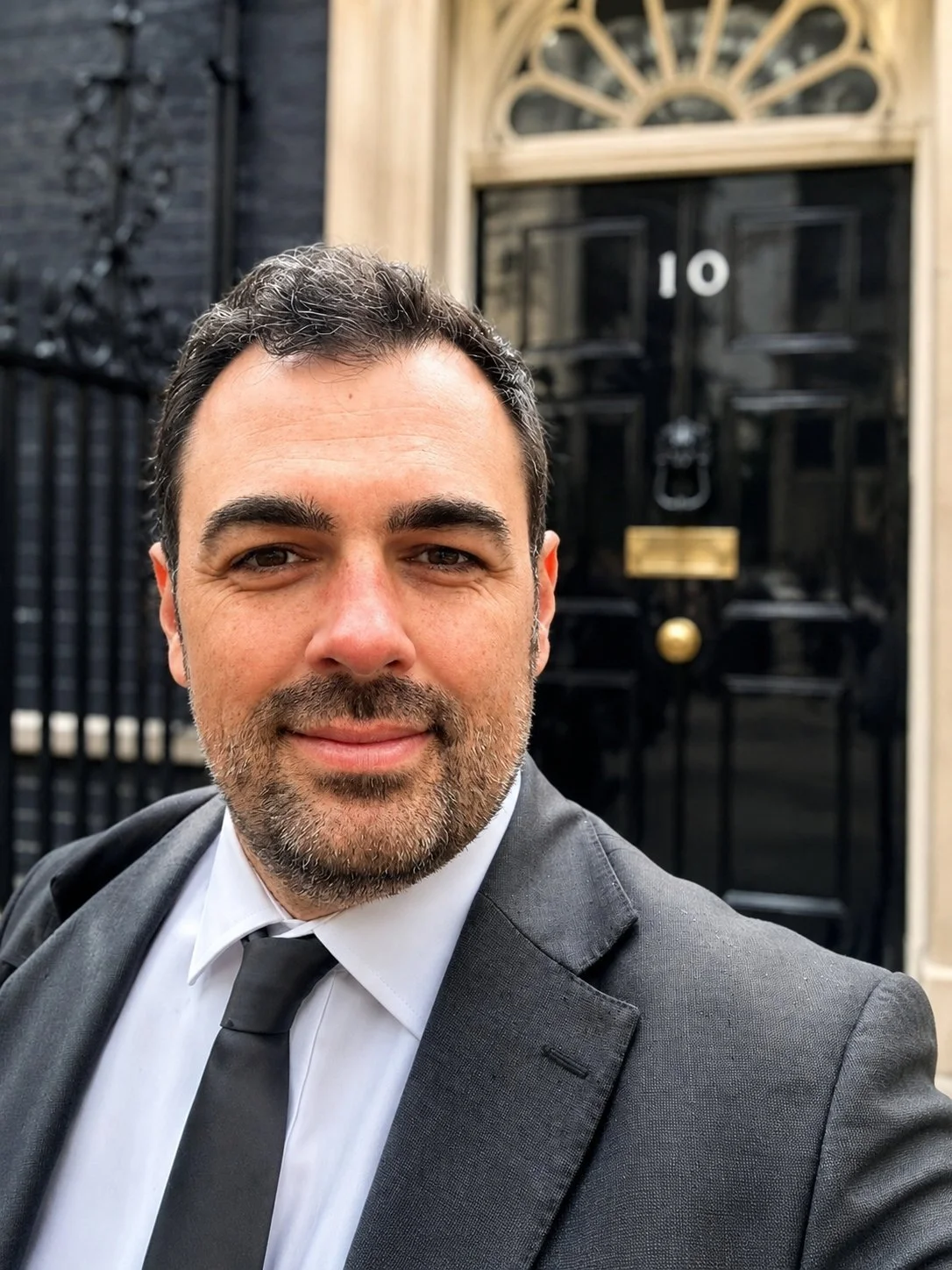 Downing Street
 London
 Zurich
 Paris
ParisDon't take this page's word for any of it. Run the audit on me, the same one that gets run on you: search my name, watch the episode, read the position I published in April 2025, under my own name, while it was still comfortable to disagree with it, check the profile. The record answers so I don't have to.
Here's why that list matters: every item on it was downstream of one decision, and none of it required me to become a better physicist. It's the proof the method works in the least forgiving conditions imaginable. I wasted years before I understood it, and I've since distilled exactly what moved the needle, and exactly what wasted my time, into a repeatable sequence. I call it the Amplitude Method, and it's the spine of everything I now teach. It's the playbook I wish someone had handed me on the day I finally decided to stop being invisible.
Why I called it that
That's the whole idea behind the name. In physics, a signal has two parts: frequency and amplitude. Your expertise is your frequency. It's already right; you spent years getting it right. What's been missing is amplitude: how far that signal travels, how many people it reaches, how loud it is in the rooms that decide things. The Amplitude Method turns it up. It rests on four amplifiers, done in a deliberate order, that spell SPAN: Speak, Publish, Anchor, Network. Fittingly, that's exactly what your reach starts to do once they work together.
And before your calendar files an objection: this is not a second job. The first move is a twenty-minute talk to a room you already know. Each move then manufactures the raw material for the next; that's what the order is for. The cost of the method isn't hours. It's the willingness to be seen before it feels safe.
This was the part where we got honest about what's actually happening: to your field, your work, and the value of everything you know. If it landed, you already feel the urgency, and you don't need me to manufacture more of it.
If you tapped "more visibility" earlier, you already said the important thing yourself: the gap was never skill. The only thing I'll add about timing is what the quiet decade taught me. The cost of waiting is compound interest running in reverse: every silent year is a year your record doesn't exist for the searches that are already happening. I know the price of that decade precisely, because I paid it.
So here's the next step, and it's deliberately small. I've written the whole method up as the Amplitude Sessions: nine short emails over twelve days. Speak, Publish, Anchor, Network, one amplifier at a time, nothing held back, free. It's complete and usable on its own, whether you ever spend a penny with me or not. The first session starts with the mistake that isn't your fault, the one almost nobody tells you about: why everything you've already tried was the right move in the wrong order.
If the sessions stop being useful, leave with my thanks. If you're where I was in the quiet years, I'll see you in session one.